
We wash, dry, and iron our clothes almost without thinking about it. Worn a shirt? Into the laundry basket. Creases in a blouse? Turn on the iron. And then perhaps into the dryer for a while.
But all that heat, friction, and washing affects the fibers your clothes are made of. You often don't see the effects immediately. It happens gradually: colors become less intense, fabrics may become thinner, and clothes can eventually lose their original shape and appearance.
Fortunately, with a few simple changes to your clothing routine, you can treat your favorite items much more gently.
Every wash causes friction and puts strain on textile fibers.
A lot of heat during washing, drying, and ironing can cause certain fabrics to wear out faster.
If clothes aren't dirty, airing them out or steaming them may sometimes be enough to make a garment feel fresh and well cared for again.

What actually happens to your clothes during washing?
A washing machine cleans clothes by combining water, detergent, and movement. That movement is important for removing dirt, but at the same time it causes friction between garments and against the drum.
Every wash puts a little strain on the textile fibers. Over time, you may start to see and feel the effects.
Think of that black T-shirt that slowly becomes less deep black, a soft sweater that starts to pill, or a favorite blouse whose fabric feels less supple after many washes.
“Washing more often doesn't automatically mean better care for your clothes.”
Do clothes need to be washed immediately after being worn once?
Not necessarily. Of course, you want to wash underwear, socks, and clothes you've sweated heavily in regularly. But a sweater, blouse, pair of jeans, blazer, or dress that you've only worn for a few hours often doesn't need to go straight into the washing machine.
Before throwing something into the laundry basket, ask yourself this question:
Is this garment actually dirty, or do I just want to freshen it up?
Are there no stains, and is the garment not really dirty? Try airing it out first in a well-ventilated space. If creases are the main problem, you can steam the garment instead of washing it again and then ironing it.
Why high temperatures can make your clothes wear out faster
Heat helps clean, dry, and smooth textiles. But more heat is not automatically better.
Depending on the material, frequent exposure to high temperatures can contribute to shrinkage, color fading, fiber damage, loss of elasticity, or changes in the structure of a fabric.
Delicate materials in particular require careful treatment. Therefore, always check the care label before washing, drying, ironing, or steaming a garment.

And what about the iron...
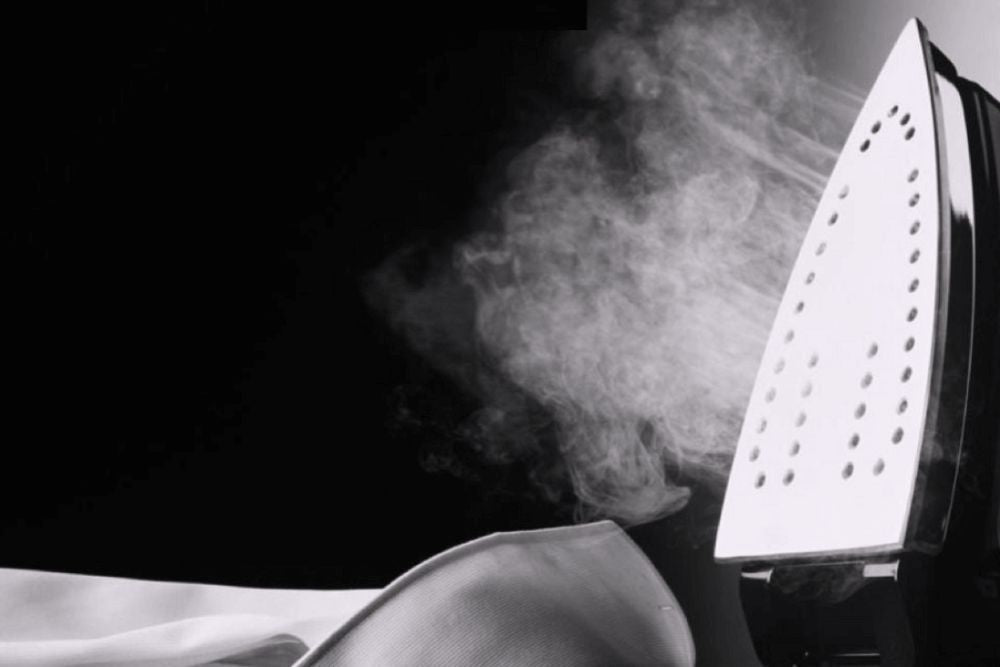
A traditional iron smooths wrinkles by pressing a hot metal soleplate directly against the fabric.
You are also combining direct heat, pressure, and movement across the fabric. This works excellently for many materials, but the wrong temperature or prolonged contact can damage delicate fibers.
Everyone knows the risk of leaving an iron in the same spot just a little too long. But even without a visible scorch mark, too much heat can have unwanted effects, such as shiny patches on dark or delicate fabrics.
Ironing is not necessarily bad for clothes. Always use the temperature appropriate for the material. But when you only want to remove wrinkles, you often don’t need the combination of a hot soleplate and pressure.
Steaming: a gentler way to remove wrinkles
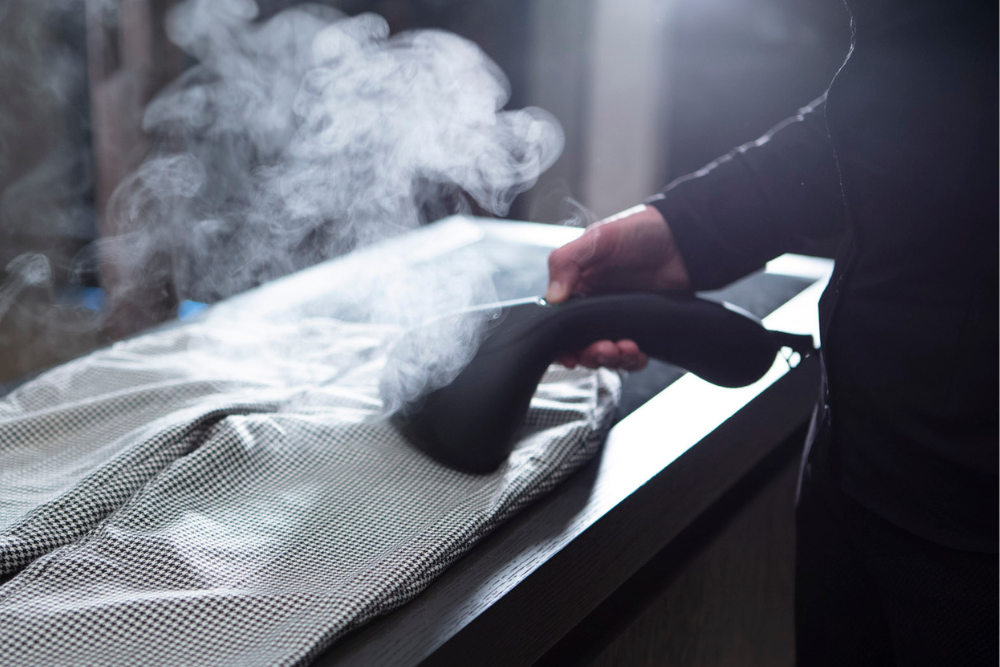
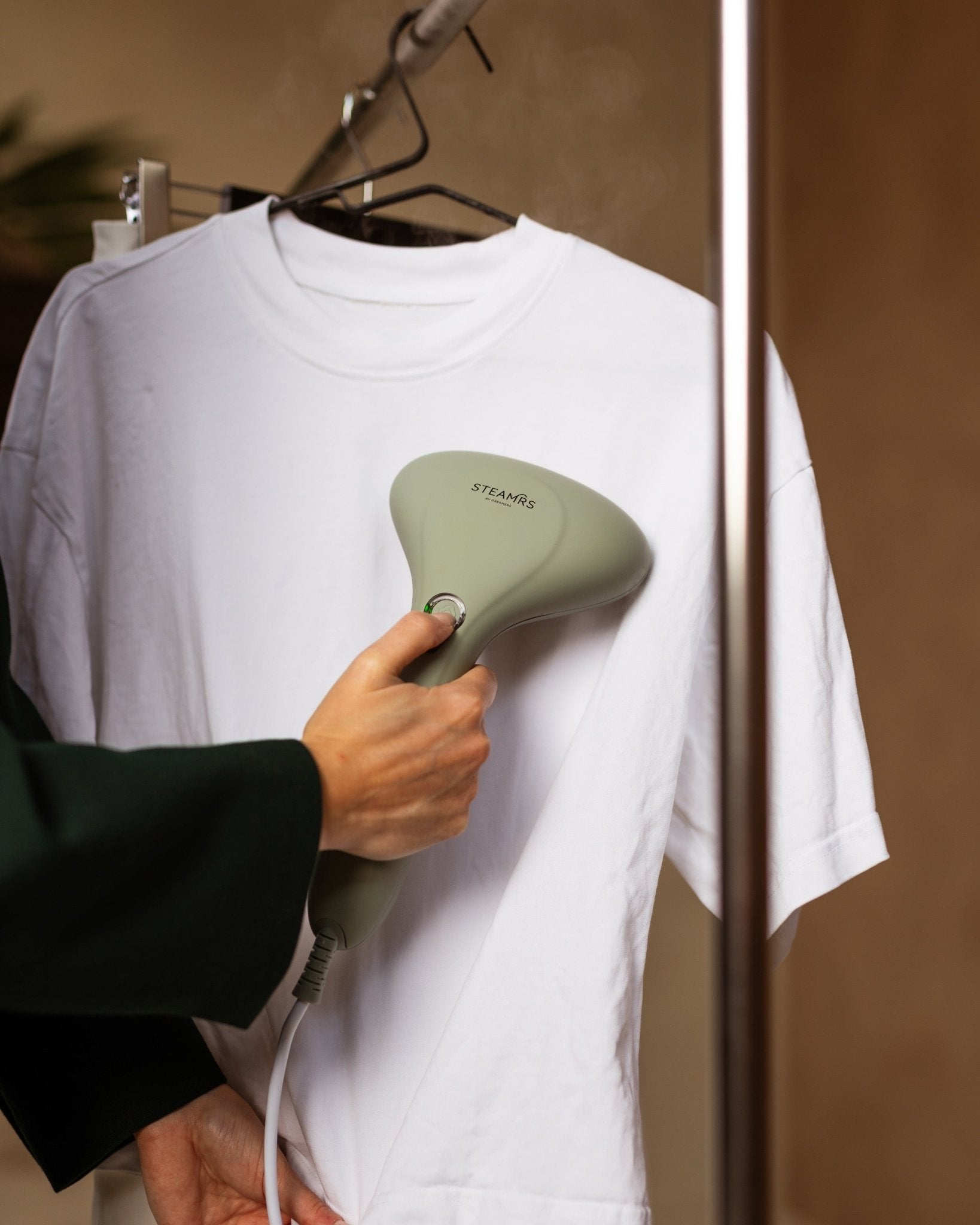
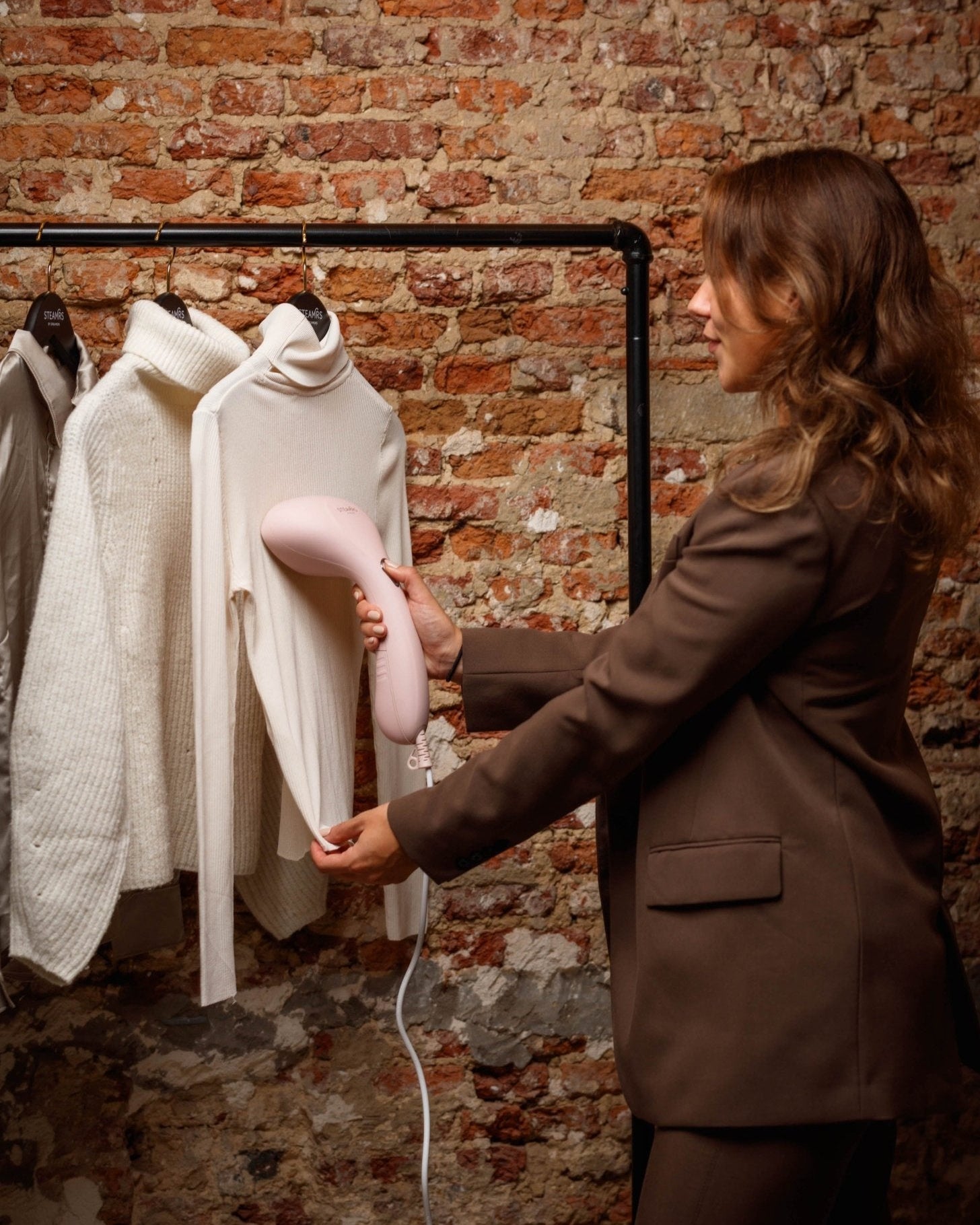
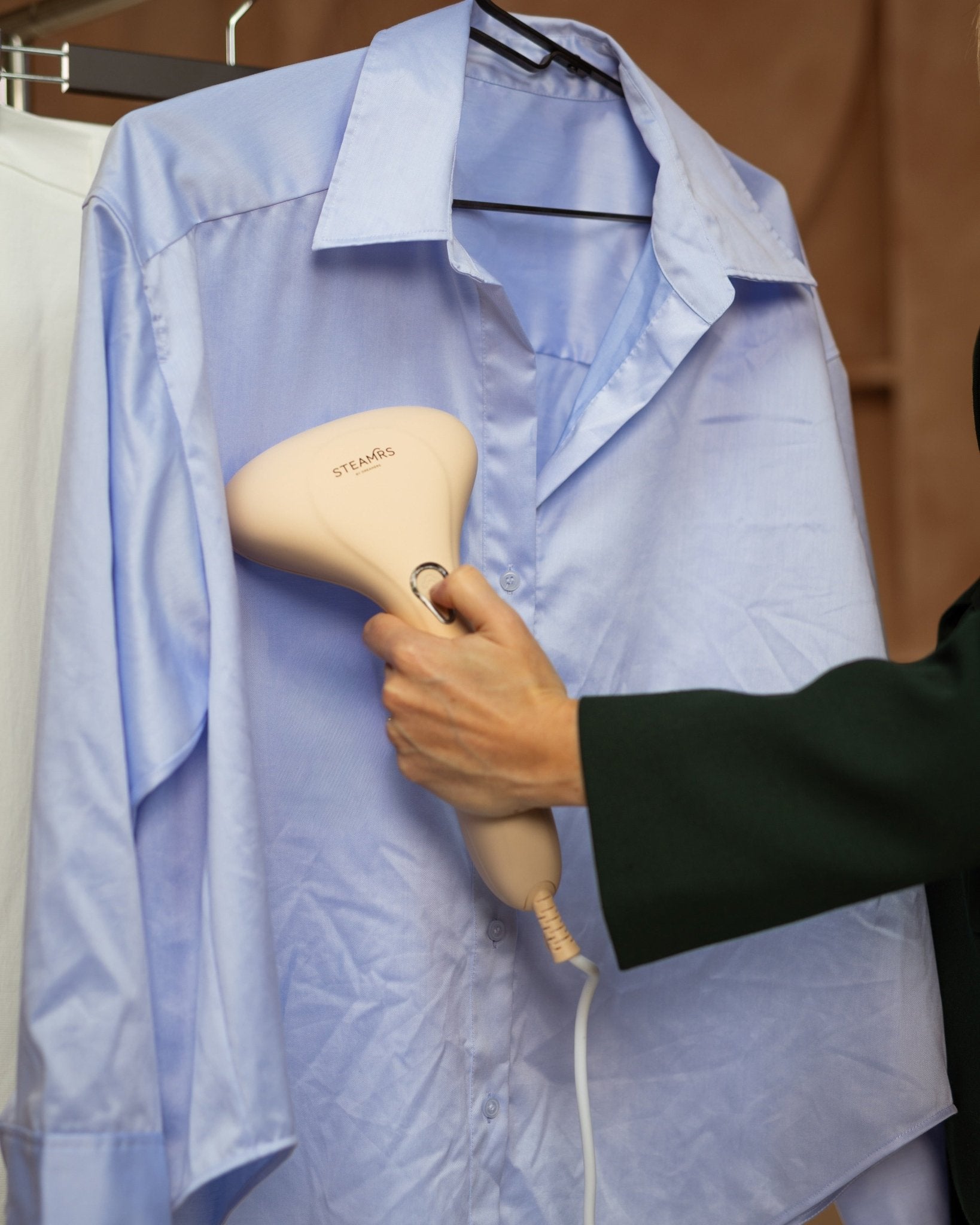
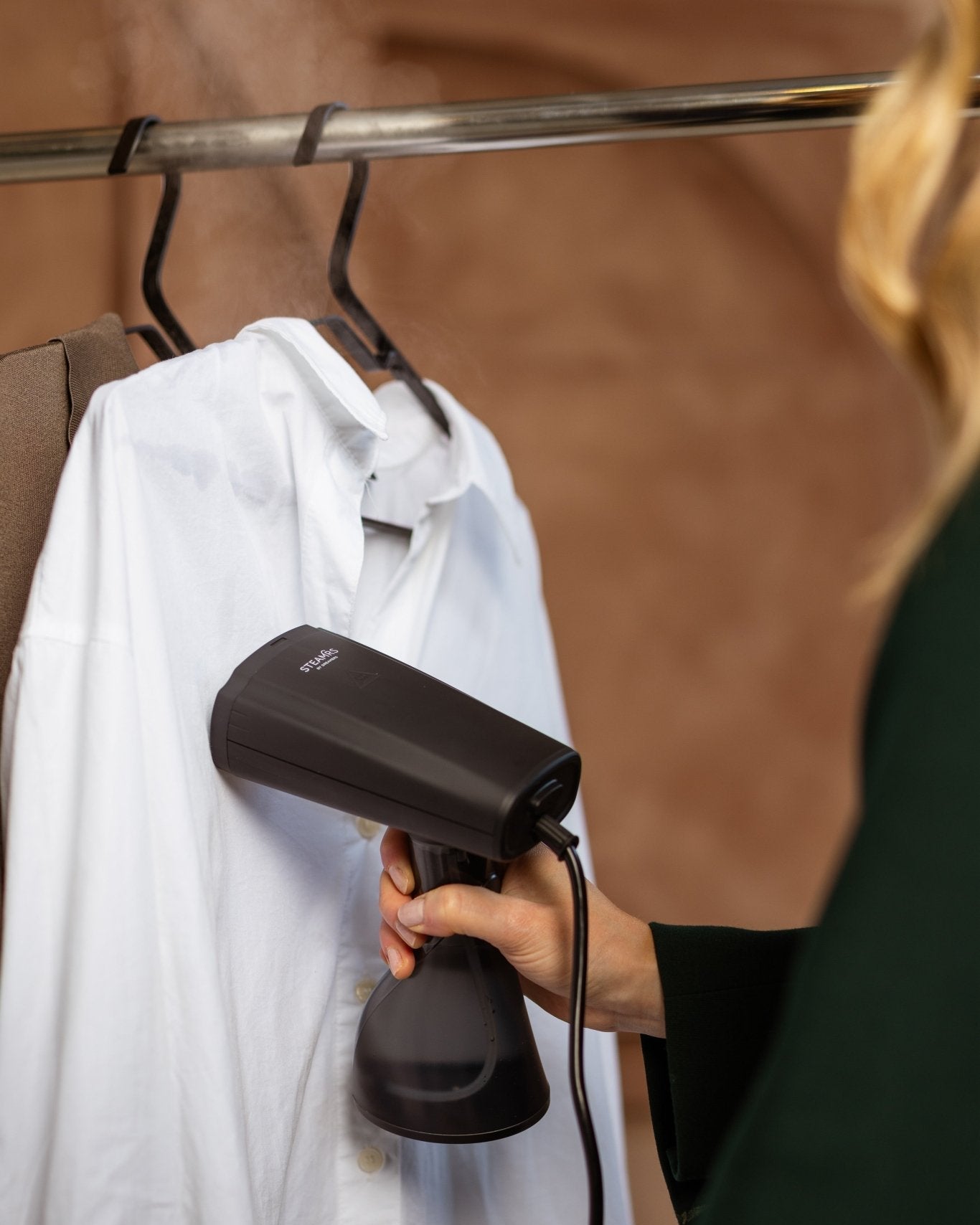
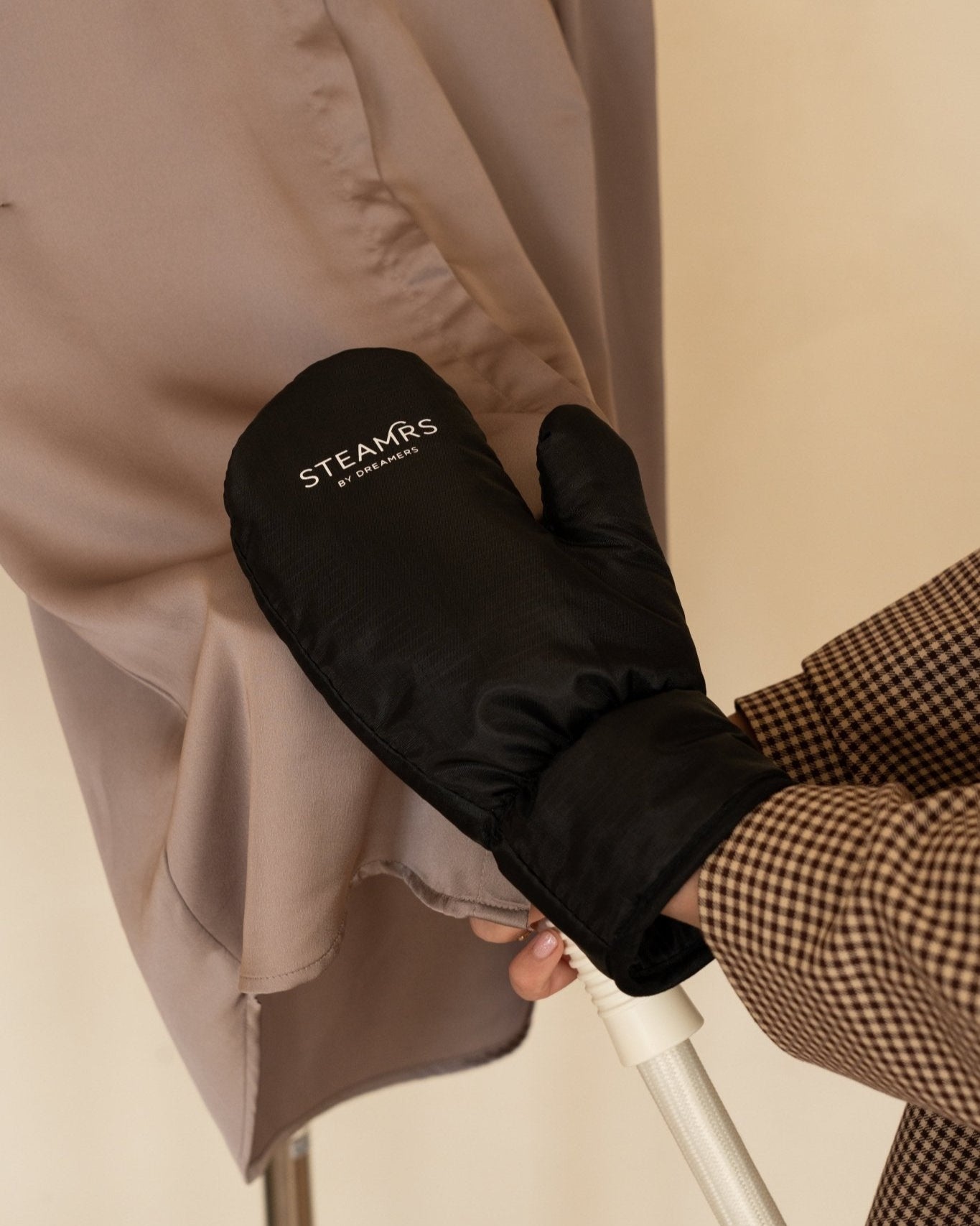
A garment steamer uses hot steam to relax the fibers in a fabric. This reduces wrinkles without having to constantly press a hot metal soleplate against the garment.
This makes a garment steamer ideal for clothes you want to de-wrinkle quickly or treat gently.
From wrinkled to ready to wear


Not dirty, but wrinkled?
The washing machine doesn’t have to be the first step every time. Hang up your garment and use steam to remove wrinkles. This can help you avoid an unnecessary wash when your clothes are still clean enough to wear again.
Discover our garment steamersAnd what about the dryer?
The tumble dryer can also affect how long clothes stay looking good. During a drying programme, clothes are rotated for a long time and, depending on the programme, exposed to heat.
It's convenient, but not every material responds equally well to it. So always check the care label and let clothes that are suitable for it air-dry more often.
A drying rack or clothes hanger may take a little more time, but can be a much gentler way to treat delicate garments.
7 simple ways to keep your clothes looking good for longer
You don't need to completely overhaul your laundry routine. Small changes can already help you treat your clothes more carefully.
Only wash when necessary
A garment that isn't dirty doesn't automatically need to go in the washing machine.
Don't wash at a higher temperature than necessary
Always choose a suitable programme and follow the garment's care label.
Sort by material too
Washing a delicate blouse together with heavy jeans can cause unnecessary friction.
Turn clothes inside out
This can especially help protect the exterior of garments with dark colours and prints.
Air-dry clothes more often
Delicate clothing in particular doesn't always need to go in the dryer.
Air or steam between washes
Ideal when something isn't really dirty but is wrinkled or could use a refresh.
Remove pilling and lint
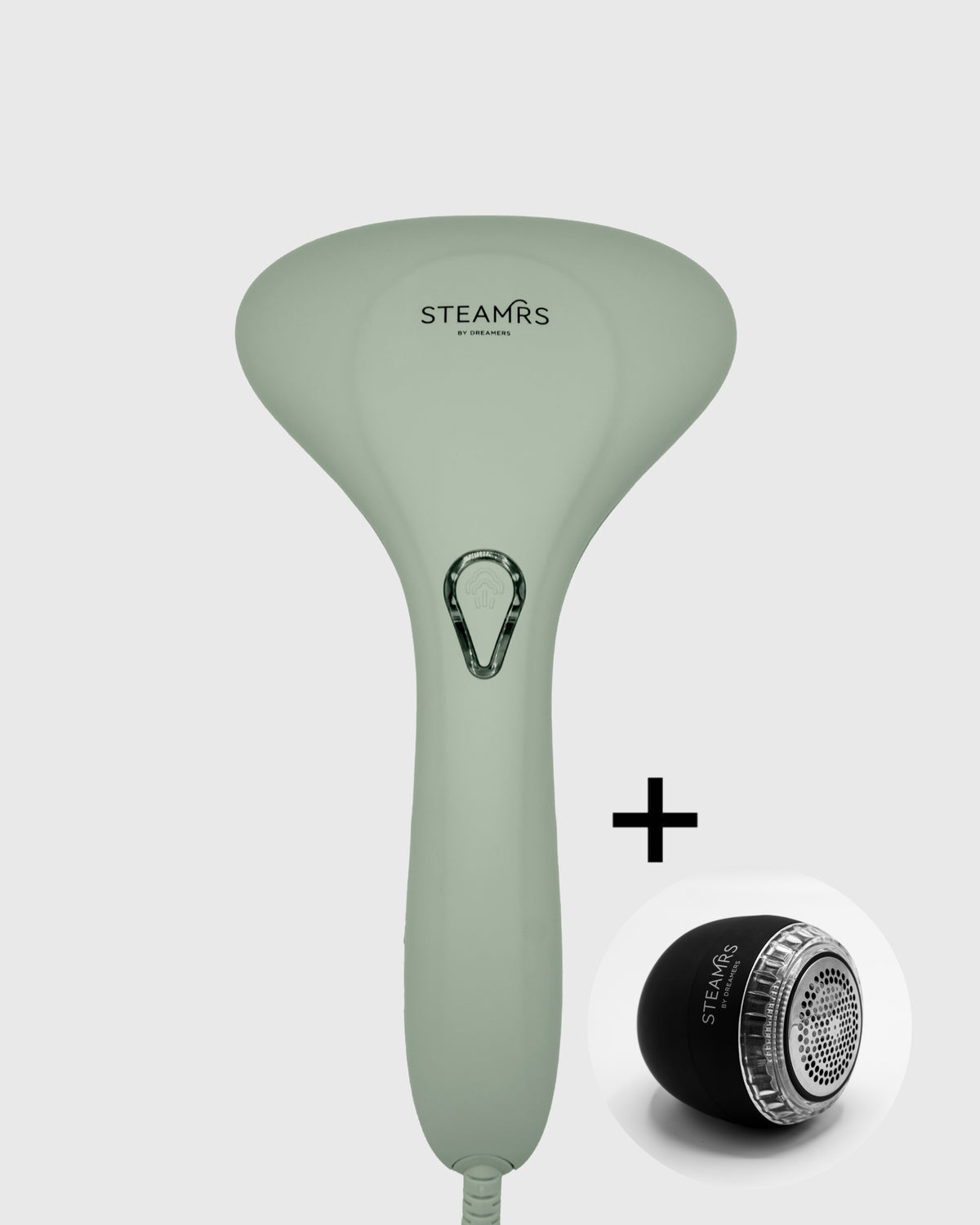
By gently removing lint and pilling, a frequently worn garment can look much more presentable again.
Wash less.
Steam more.
Wear longer.
Keeping clothes looking good for longer doesn't always start with doing more, but sometimes with doing less.
Fewer unnecessary washes. Fewer extreme temperatures. Less automatically putting everything in the dryer or under a hot iron.
And give the material a little more attention: air it, steam it and maintain it properly.
That is what we at STEAMRS believe in: take good care of the clothes you love so you can enjoy them for longer.

Give your clothes the care they deserve
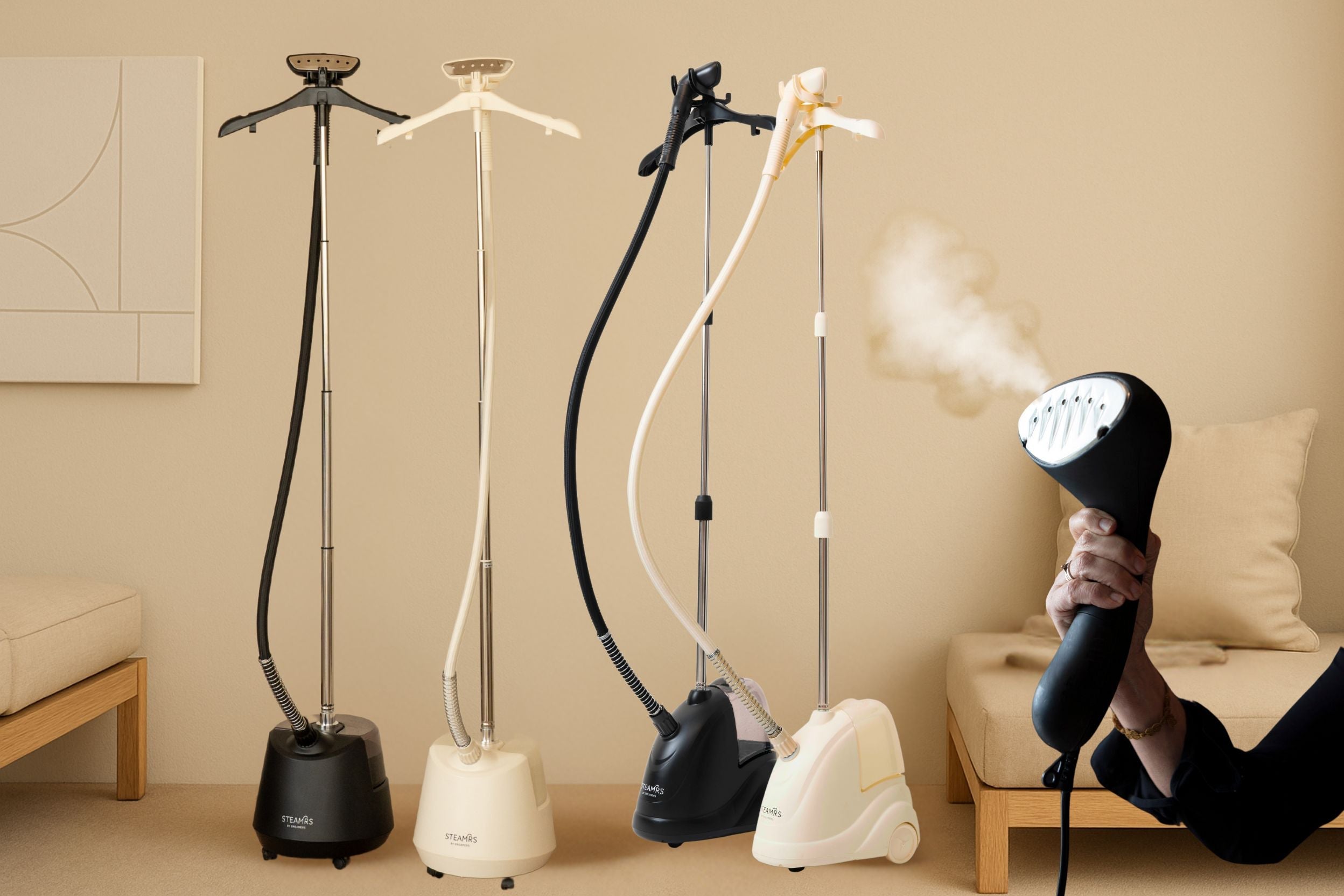
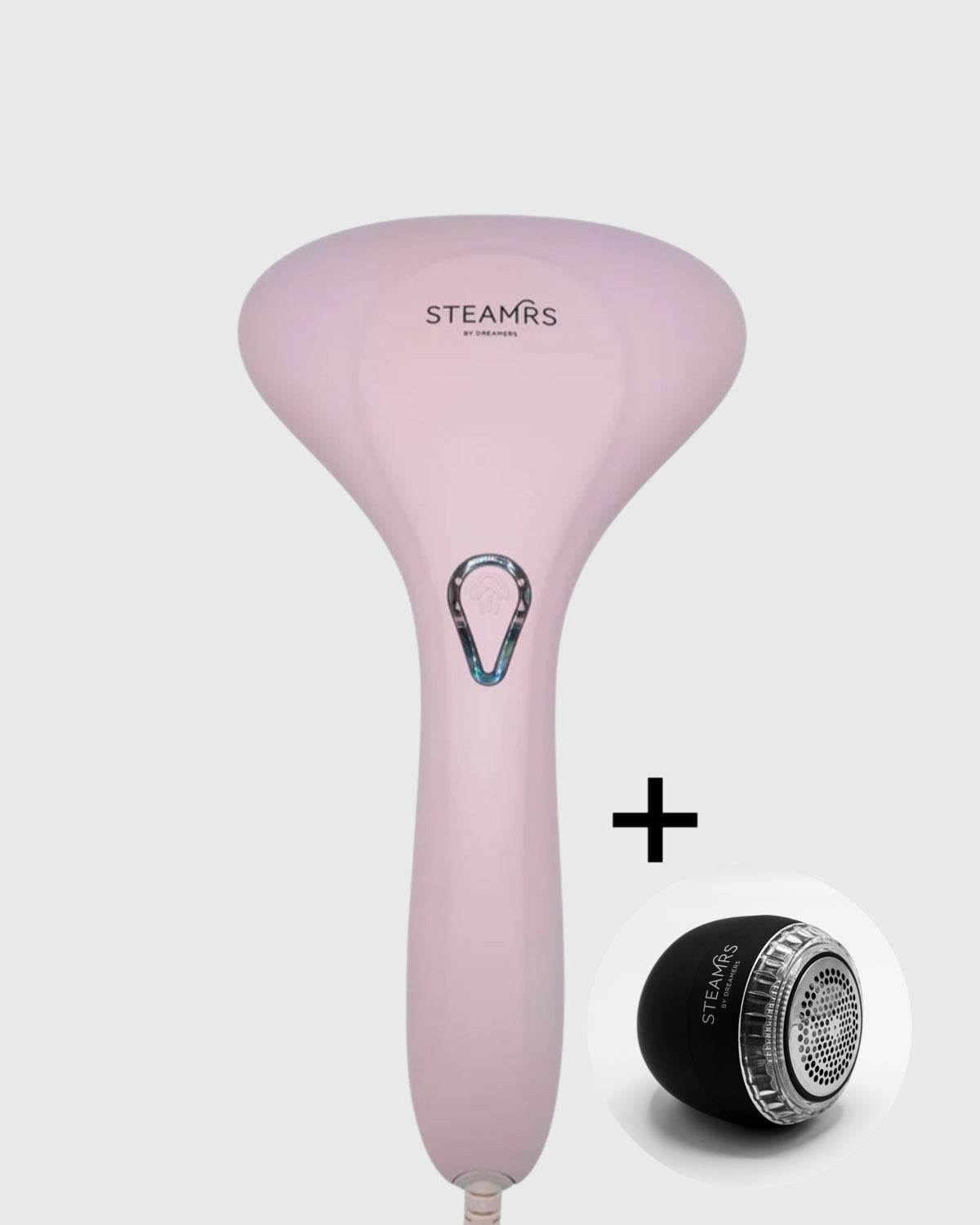
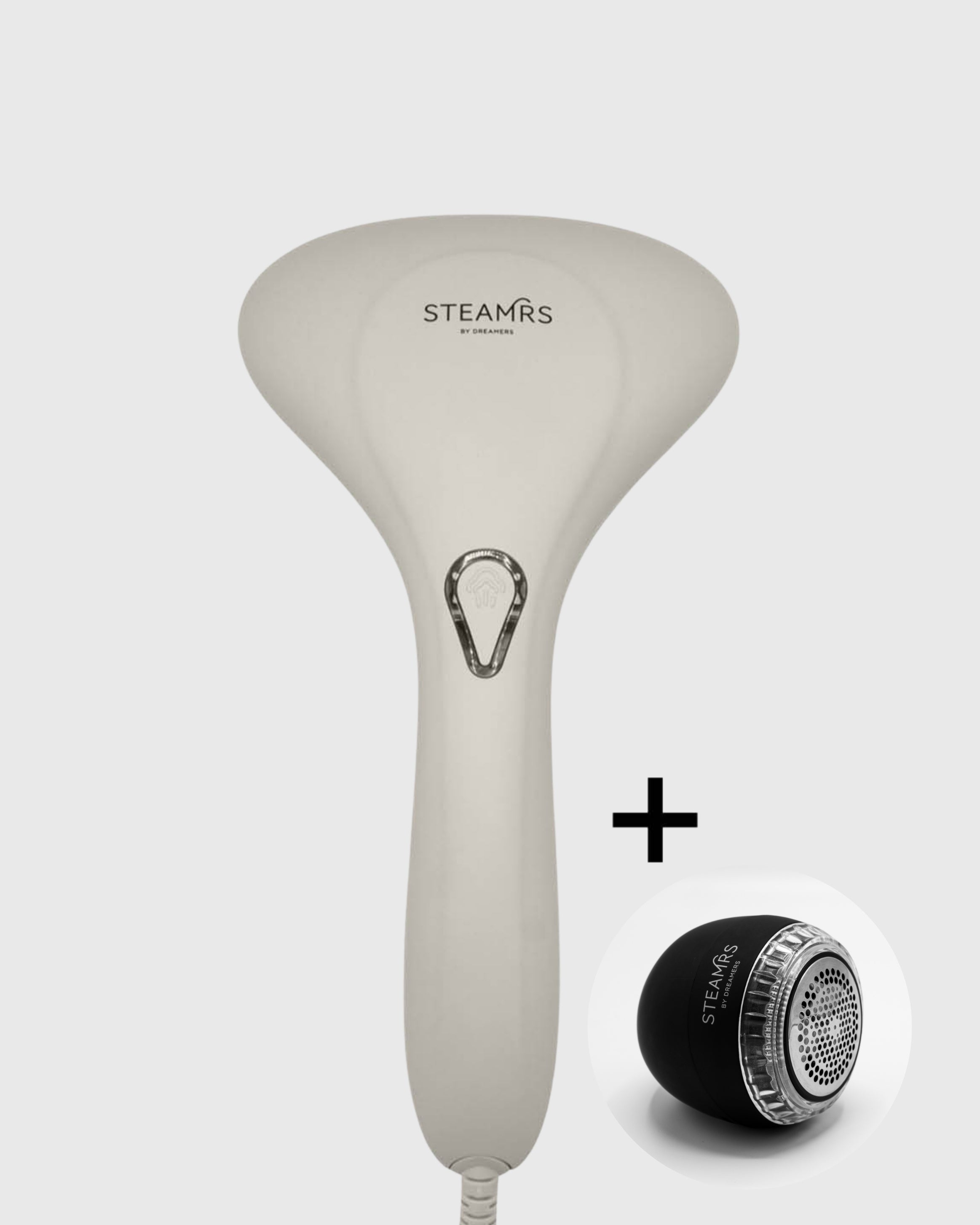
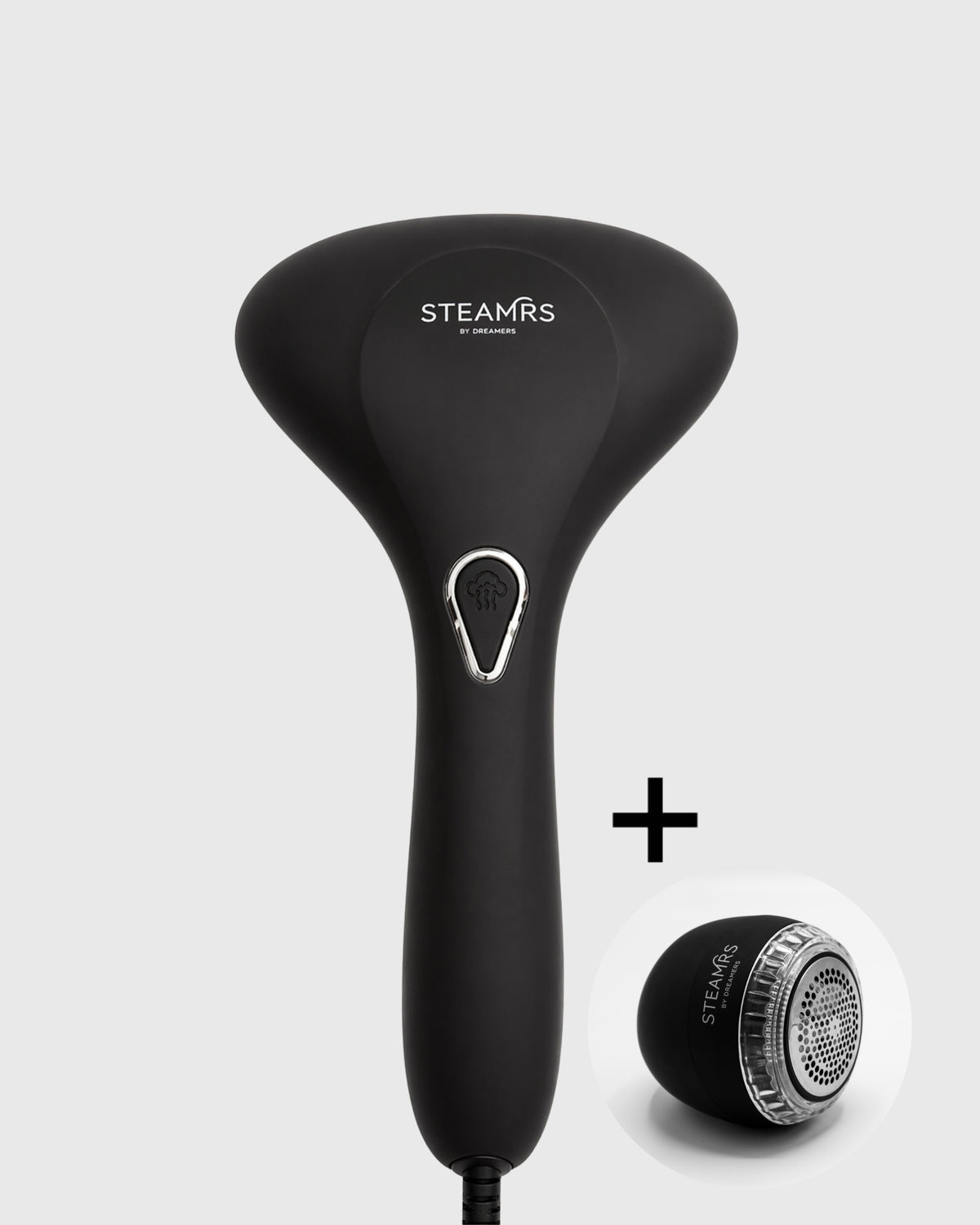
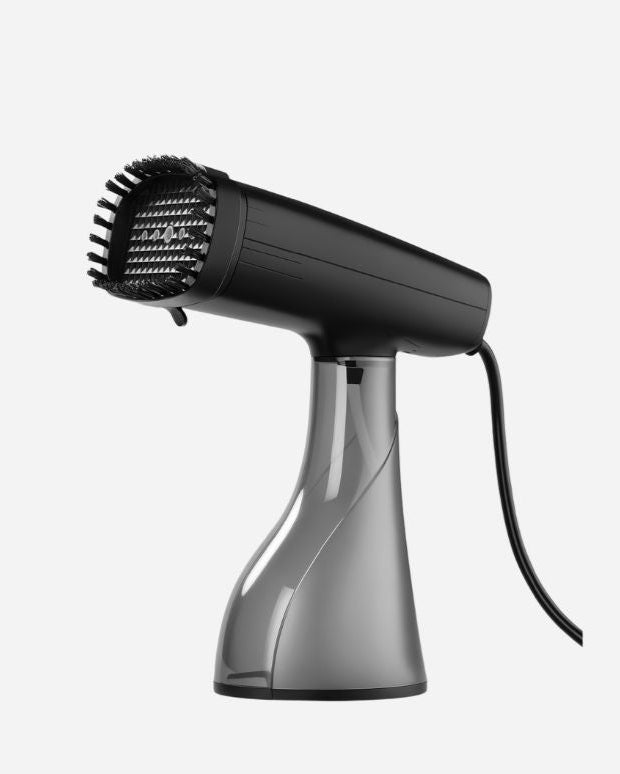
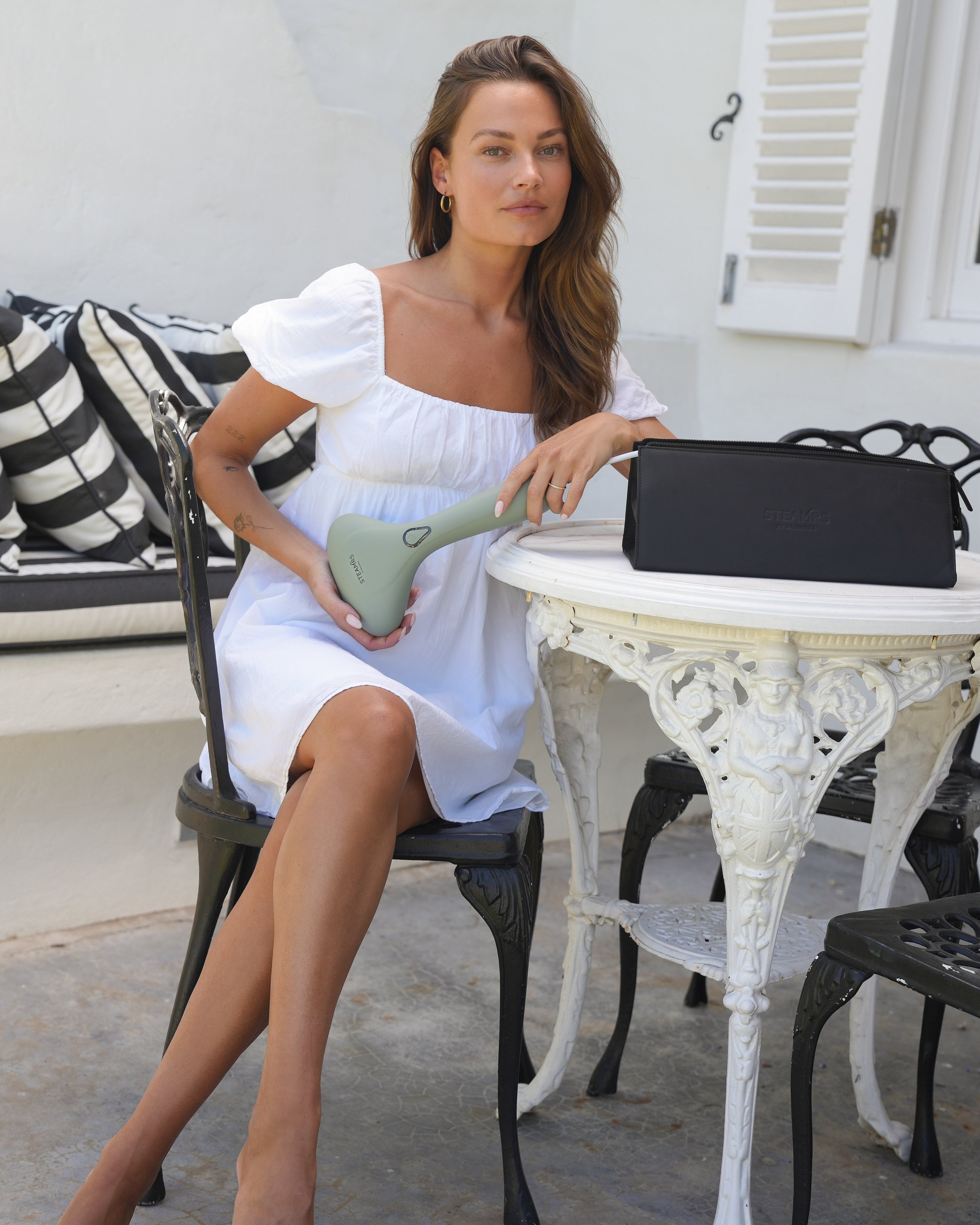
From a quick touch-up before you head out to steaming multiple garments in a row: STEAMRS has different garment steamers for different occasions.
Remove creases with steam and give clothes that don't need washing yet a well-groomed appearance.
View all garment steamersFrequently asked questions about washing, ironing and steaming
Is steaming better for clothes than ironing?
That depends on the material and the desired result. When ironing, a hot metal soleplate is pressed directly against the fabric. A garment steamer relaxes the fibers with steam without continuously applying the same direct pressure. As a result, steaming is a gentle and convenient way to remove wrinkles from many garments. Always check the care label.
Can you steam clothes instead of washing them?
Steaming does not replace a proper wash when clothes are dirty or stained. Is a garment still clean but mainly wrinkled? Then airing it out or steaming it may sometimes be enough to wear it again, helping you avoid an unnecessary wash.
How often should you wash clothes?
It varies greatly depending on the garment and how you have worn it. Naturally, you wash underwear and clothes in which you have sweated heavily more often than, for example, a blazer, jeans, or sweater. Above all, check whether a garment is actually dirty before automatically putting it in the laundry basket.
Can ironing damage clothes?
Yes, a temperature that is too high or contact with the iron for too long can damage certain fabrics. Possible consequences include shiny patches, discoloration, or damaged fibers. Therefore, always use a temperature suitable for the material.
Is a garment steamer suitable for delicate fabrics?
Many delicate fabrics can be steamed carefully. However, the right steaming method varies by material. Therefore, always check the garment's care label first and, if in doubt, test it on an inconspicuous area.
Which clothes should not be steamed?
Not every material is suitable for steam or heat. Therefore, always check the care label. Be especially careful with materials or finishes that are sensitive to moisture and heat, and if in doubt, first test a small, inconspicuous area.
Does washing clothes less often help keep them looking good for longer?
Fewer unnecessary washes also mean less exposure to friction, detergent, and wash cycles. If a garment is still clean, it may therefore be better to air it out or, if it is wrinkled, steam it before deciding to wash it again.