


What is pilling?
Small bits of fluff or balls on your sweater that seem to appear out of nowhere and only increase in number are called pills. It is extremely annoying when this happens to your favorite sweater. Could you have prevented this? In this blog, you will read how pilling occurs, how to prevent it, and how to get rid of it quickly and effectively.
How does clothing pill?
Pilling is caused by friction from the material; the fibers in the fabric twist together on the surface, creating small fabric balls. While wearing clothing, balls will therefore form more quickly in areas such as under the arms, on the chest, or around the sleeves. Fluff also forms during washing because the clothing spins in the washing machine and repeatedly rubs against other garments.
Which fabrics pill the fastest?
Wool, acrylic, polyester, and viscose are materials that often experience pilling. The first bits of fluff usually appear around the armpits and elbows. Do you often carry a shoulder bag over your wool coat? Then you will discover fluff where the bag rubs against your hip or leg.
If my clothes start pilling, does that mean the quality is poor?
No, clothing of both excellent and lower quality can suffer from pilling. This is not an indicator of quality.
The price you pay for textiles can sometimes, but not always, be an indicator of the quality of the fibers. Longer threads and fibers pill less than shorter ones. During the production process, longer fibers can become damaged and break. They are then mixed with the short fibers and processed into cheaper fabrics. The unbroken long fibers increase the value of the clothing and therefore also the price.
Both fabrics (natural fibers and those made from synthetic fibers) can suffer from pilling. The length of the fiber in the material is the key factor here, rather than the type of material or its origin.
What can you do to prevent pilling?
Clothing that starts pilling looks somewhat messy and unkempt, which is incredibly unfortunate and unnecessary. A few simple tips to prevent pilling on wool garments:
Before wearing a new wool sweater, place it in the freezer for a while. Leave it there for a few hours or overnight, wrapped in a plastic bag.
- Wash wool clothing in a laundry bag
- Use liquid wool detergent.
- Wash your clothes inside out
- Choose a short wash cycle.
- Close the zippers or buckles on your clothes before washing them.
- Let the garment air-dry outdoors. It is preferable not to put the washed item in the dryer.
- Fold your clothes neatly instead of hanging them.
- Follow the washing and drying instructions indicated on the label.
Did you wash the garment by hand? Do not rub the soapy water into your clothes; instead, squeeze it through the fabric. This will prevent the garment from pilling or, even worse, stretching.
How can you remove pills from fabrics?
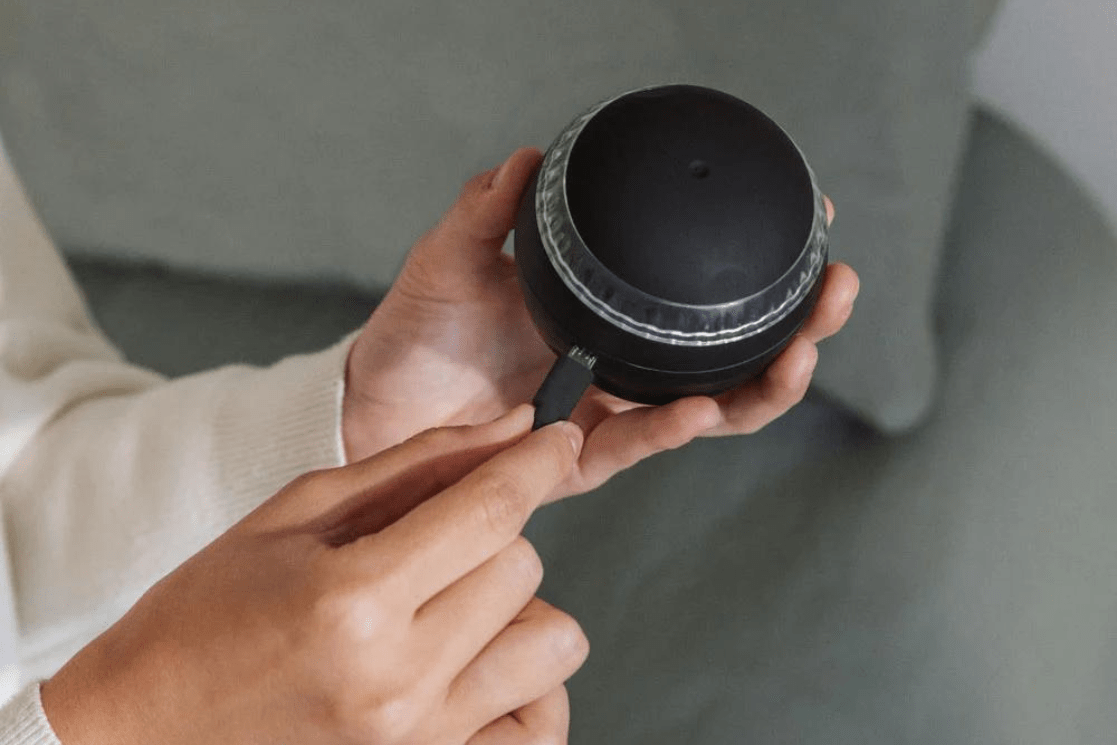
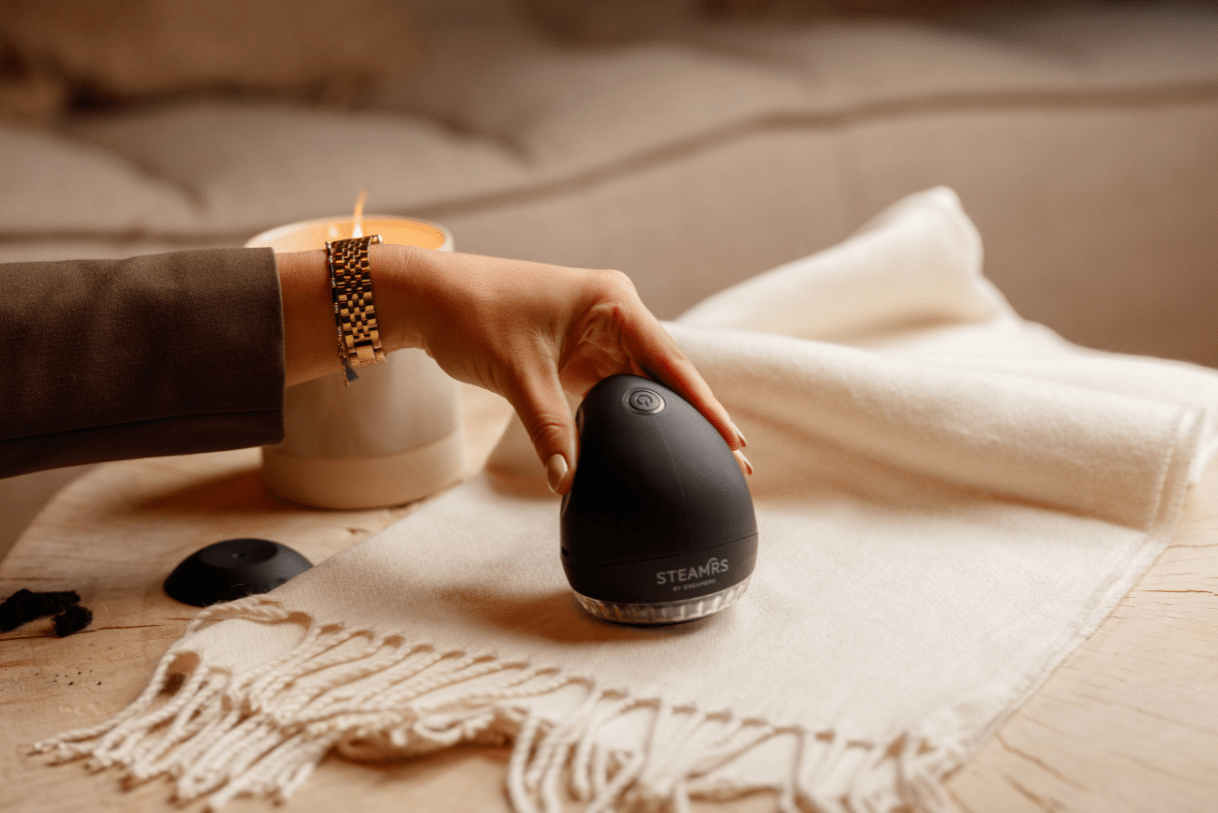
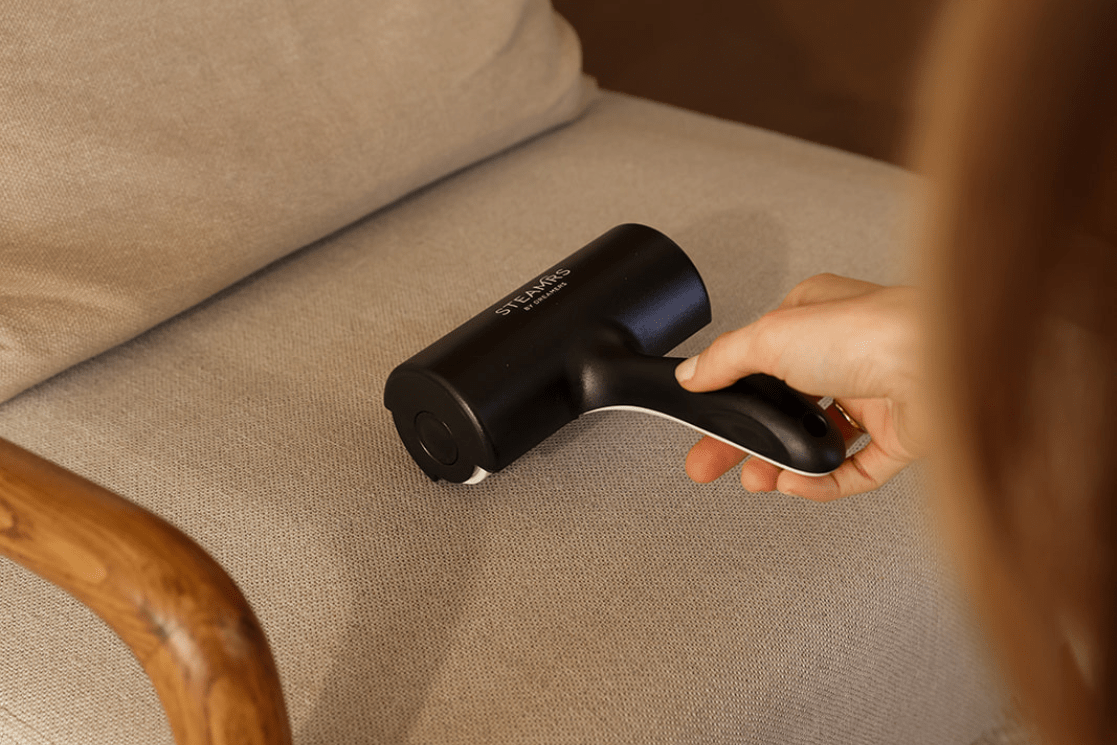
The best way to remove fluff is with a fabric shaver. These work on batteries or with a charging cord and work on all materials. A corded shaver is the most powerful, and you do not have to worry about replacing batteries.
A fabric shaver is a shaving device specially designed for clothing. A fabric shaver is also called a lint trimmer, de-piller, or fabric shaver. A fabric shaver has larger holes in the ‘sliding surface’ through which fluff is drawn, and a blade then removes it safely from the fabric. Just as hair is shaved from your body with a clipper. All protruding hairs (or, in this case, fluff) can be removed easily and safely.
Don't feel like buying a fabric shaver? You can also get quite far with a razor. Since a new razor is extremely sharp, we prefer an older razor. Place the item on a smooth surface to prevent shaving away too much in one spot. Be especially careful here. A fabric shaver is specifically made and designed to shave fabrics safely; a razor is not really intended for this, so take extra care with the fabric. Carefully pull a razor over the fabric using small movements. Shave carefully over a piece of fabric that has been pulled smooth, and avoid moving the razor over folds. If you do not smooth the fabric properly, you risk shaving off some of the clothing material instead of only the fluff.
You can also use scissors to cut or trim off pills. Be careful not to cut holes in your clothes. Use sharp scissors to cut off each piece of fluff individually. This can be time-consuming, but when done correctly, it is the method that is least harmful to the surrounding fabric. The type of scissors you use (large or small) does not matter much, as long as they are sharp. With longer scissors, you can remove larger sections at once, but there is a greater risk of cutting the clothing. Smaller scissors are more convenient (such as nail scissors) because they allow you to work a little more precisely.
A less well-known but very effective solution is a pumice stone. If you rub a pumice stone over the item and then go over it with a lint roller, you can easily remove the pills. Give it a try!
With these tips, your favorite clothes will always be free of pills, fluff, and fabric balls, so you will always look perfectly groomed. Check out our other blogs about caring for your clothes and give your clothing items a longer lifespan. Don't just wear, but care for your clothes!

Leave a comment
All comments are moderated before being published.
This site is protected by hCaptcha and the hCaptcha Privacy Policy and Terms of Service apply.